The definitive checklist for finding the best fish knife
Wiki Article
The Ultimate Overview to Keeping Your Fish Knife for Durability and Performance
Maintaining a fish knife is important for ensuring its durability and ideal efficiency. Appropriate treatment includes a series of actions, consisting of cleansing, sharpening, and storage. Each stage adds to the knife's efficiency throughout usage. Understanding these methods can make a considerable distinction in the life expectancy of this crucial tool. However, several individuals neglect critical facets of maintenance that can lead to damage. What are these often-forgotten steps?Choosing the Right Fish Knife for Your Requirements
When selecting the perfect fish knife, what secret functions should one consider? The blade's adaptability is paramount, enabling accuracy while filleting numerous fish types (fish knife). A slim, slim blade frequently boosts ability to move, making it less complicated to navigate around bones and skin. The product of the blade also plays a vital duty; stainless steel offers durability and rust resistance, vital for frequent direct exposure to waterAdditionally, the manage's design should not be overlooked. It should supply a comfortable hold, preferably including non-slip products that ensure safety and security throughout usage. The knife's size is one more aspect; shorter blades can provide much better control, while longer blades might be advantageous for larger fish. Ultimately, weight is vital; a healthy knife permits prolonged use without exhaustion. By thoroughly thinking about these features, one can pick a fish knife that fulfills specific demands for efficient fish preparation.
Correct Cleansing Techniques After Each Usage
Correct cleaning strategies after each use are important for maintaining the long life and efficiency of a fish knife. Immediately after filleting fish, it is critical to rinse the knife under warm water to eliminate scales, scum, and any type of recurring fish juices. Making use of a soft sponge or fabric, the user must delicately scrub the blade and manage, paying special attention to any type of holes where particles might collect. Prevent using abrasive products that could scratch the blade's surface area. After washing, the knife needs to be extensively dried out with a clean towel to avoid moisture-related damages. If the knife has a wooden deal with, using a food-safe mineral oil regularly can aid preserve its stability. Storing the knife in an assigned sheath or magnetic strip can additionally protect it from unexpected damage and guarantee it continues to be prepared and tidy for future use. Constant adherence to these cleaning techniques will enhance the knife's lifespan and performance.Honing Your Fish Knife: Tools and Approaches
Honing a fish knife is a crucial process that boosts its performance and ensures tidy cuts while filleting. To accomplish ideal intensity, several tools can be utilized. A whetstone is considered among one of the most reliable methods, allowing for precise control over the developing angle. Customers must wet the rock and preserve a consistent 20-degree angle while moving the blade across its surface area.A refining rod can be made use of for regular maintenance, straightening the blade's side without getting rid of product. For convenience, electric sharpeners use a quick service, though they may not offer the exact same level of finesse as hands-on techniques.
Regardless of the picked approach, it is important to end up with a natural leather strop to brighten the side, making certain a lancinating surface. Routine honing not just prolongs the life of the fish knife however also improves the total effectiveness of the filleting process.
Storing Your Fish Knife for Ideal Security
After honing a fish knife, interest needs to transform to its storage to maintain the blade's integrity and performance. Proper storage space is crucial for avoiding rust, dulling, and damage. Preferably, a fish knife need to be kept in a protective sheath or knife roll, which shields the blade from call with environmental variables and other utensils (fish knife). Magnetic strips can likewise be effective, permitting available and risk-free storage while maintaining the blade secure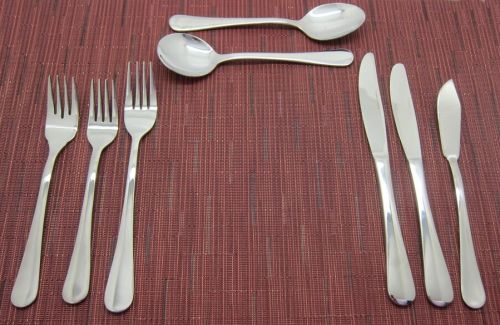
Regular Upkeep Routines to Adhere To
A regular upkeep routine is essential for preserving the performance and look of a fish knife. Normal cleaning after each usage is crucial; rinsing the blade with warm water and moderate soap eliminates any type of deposit. It is advisable to dry out the knife thoroughly to avoid rust. Occasionally, a light application of food-safe mineral oil can help secure the blade and keep its sheen.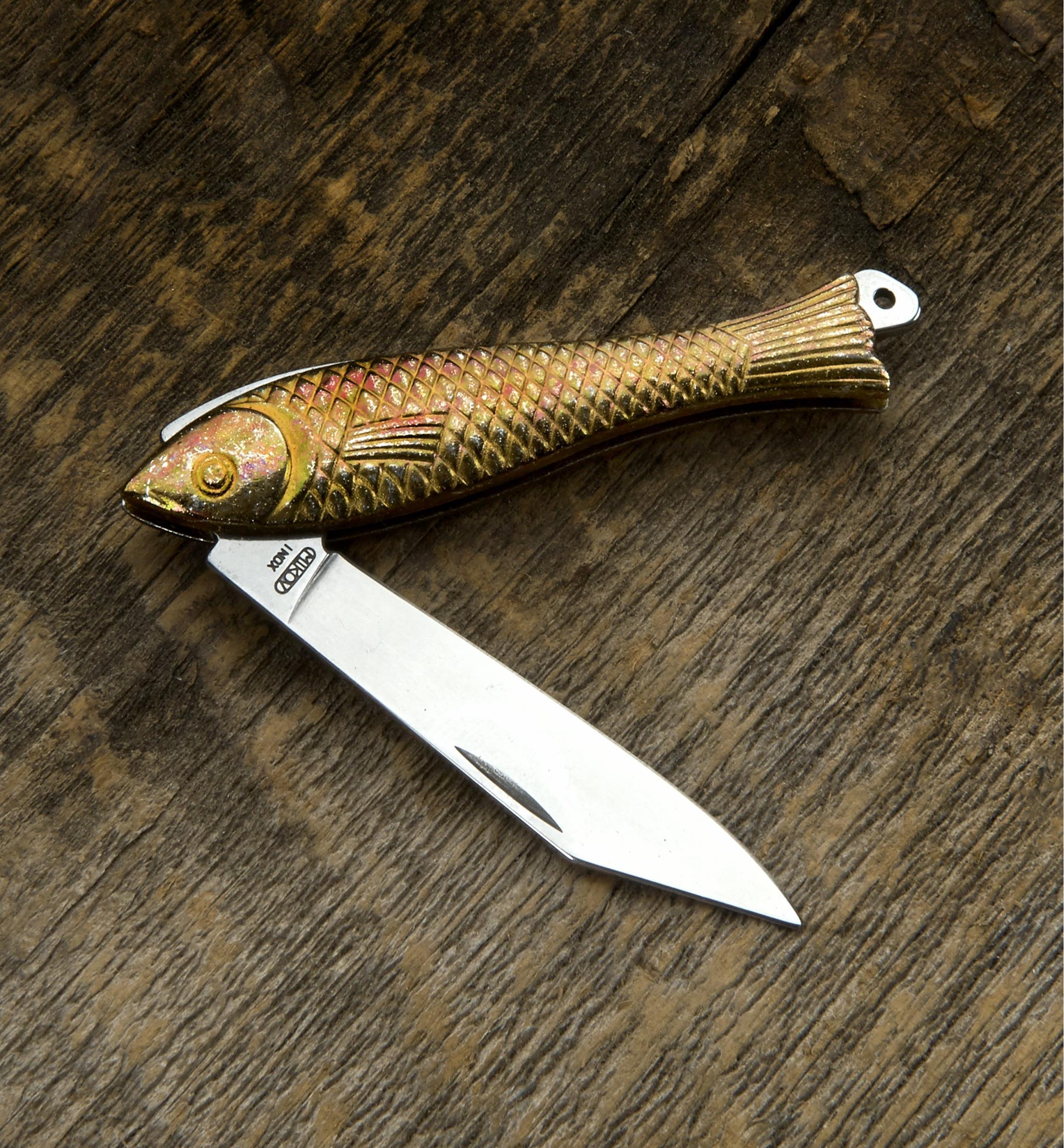
Finally, saving the fish knife in a protective situation or sheath avoids unexpected damage and maintains it on-line. Adhering to these maintenance routines will significantly enhance the longevity and efficiency of the fish knife.
Often Asked Concerns
Can I Utilize My Fish Knife for Various Other Kinds of Fish?
Yes, a fish knife can be utilized for other kinds of fish. Nevertheless, the performance might vary depending on the knife's style and the particular fish being refined, affecting performance and precision during preparation.What Products Are Finest for a Fish Knife Blade?
Stainless steel and high-carbon steel are taken into consideration the best products for a fish knife blade. Stainless-steel offers corrosion resistance, while high-carbon steel offers premium intensity and edge retention, vital for reliable fish preparation.Just how Often Should I Replace My Fish Knife?
A fish knife should typically be changed every three to five years, depending on usage and maintenance. Normal inspection for signs of wear or damages can likewise assist establish the ideal time for substitute.Are There Particular Brands Known for Quality Fish Blades?
Certain brand names, like Wüsthof, Victorinox, and Rapala, are renowned for creating high-grade fish knives. These brands are identified for their toughness, intensity, and ergonomic layouts, making them favored choices amongst angling lovers and experts alike.Can Temperature Affect My Fish Knife's Performance?
Temperature level can substantially affect a fish knife's performance. Extreme warm may trigger blade products to warp, while cold conditions can cause brittleness. Maintaining an optimal temperature level is important for protecting the knife's performance and resilience.The knife's size is one more aspect; much shorter blades can supply better control, while longer blades might be valuable for bigger fish. Promptly after filleting fish, it is essential to rinse the knife under warm water to eliminate scales, slime, and any type of residual fish juices. After developing a fish knife, attention has to transform to its storage space to preserve the blade's integrity and performance. Ideally, a fish knife must be saved in a safety sheath or knife roll, which shields the blade from call with other tools and ecological aspects. Yes, a fish knife can be utilized for other kinds of fish.
Report this wiki page